Confirmed speakers:
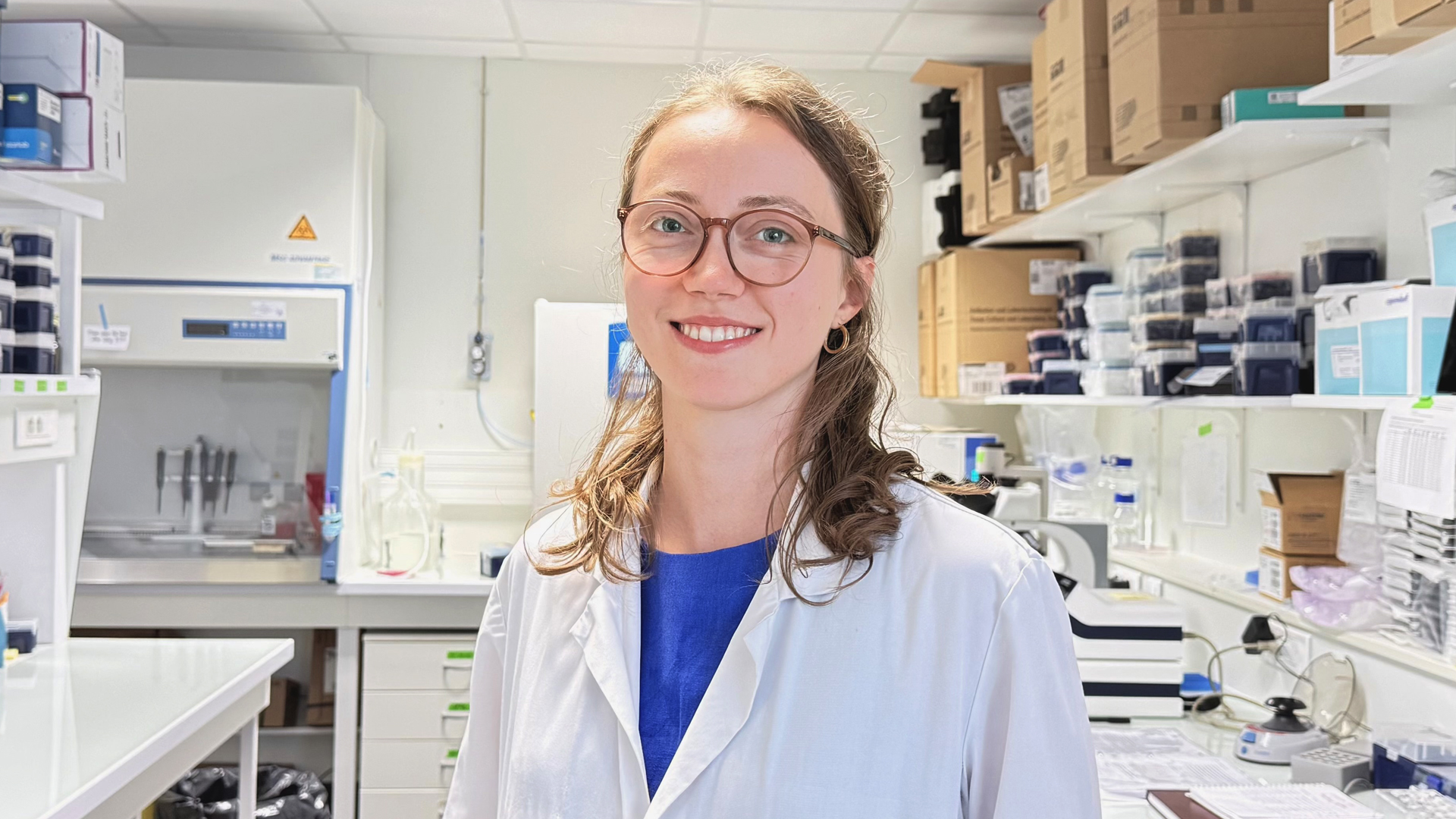
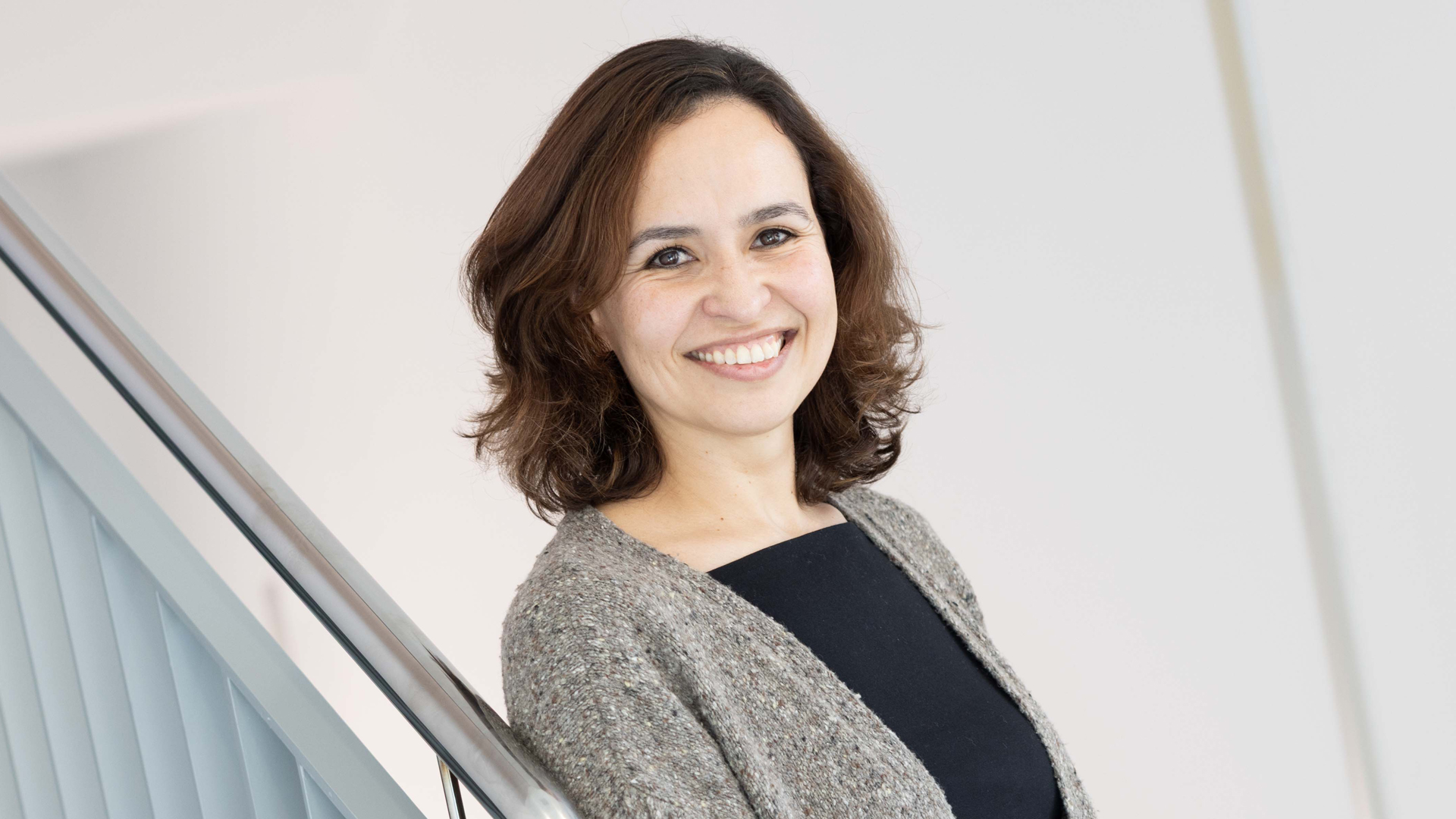
Alena Gros trained in Biology and obtained a PhD in Genetics in 2009 from the University of Barcelona. She subsequently completed a seven-year postdoctoral fellowship at the NCI with Steven A. Rosenberg, a pioneer in cancer immunotherapy. In 2016, she was appointed to lead the Tumor Immunology and Immunotherapy Group at the Vall d’Hebron Institute of Oncology (VHIO, Barcelona).
Her research aims to understand the native antitumor T-cell response in cancer patients and its molecular determinants, with the goal of designing more effective T-cell therapies for solid tumors. Her scientific contributions to cancer immunology and immunotherapy are widely recognized, as reflected by the citation impact of my work (55 publications, >12,500 citations, H-index 37; Google Scholar, March 2026). Over the past 15 years, her research has advanced the identification of biomarkers to detect and therapeutically leverage the personalized repertoire of neoantigen- and tumor-reactive lymphocytes residing in tumors and peripheral blood (JCI 2014, Nat Med 2016, JCI 2019, JITC 2022). She has also contributed to the development of tools to better understand and exploit the native antitumor T-cell response, including screening methods to detect, isolate, and clone tumor- and neoantigen-reactive TCRs from tumor-resident TILs and peripheral blood, as well as to identify their cognate antigens (Science 2014, Cancer Immunol Res 2016, CCR 2017, CCR 2023, Immuno-Oncol Technol. 2024).
Alena Gros's appointment at VHIO launched the Advanced Cell Therapies Program, now a strategic pillar of the institute. Since 2025, she serves as Co-Director of the program, leading Translational Research and Development. Within this program, she has led the design and clinical translation of two proprietary TIL products (NextGen-TIL and VHIO-TIL) and contributed to securing funding and supported the filing of INDs for four ongoing clinical trials (NextGen-TIL, NCT05141474; PragmaTIL, EU Horizon, NCT06630611; TILTs, CTR2023-504632-17-00; ARES-TIL). The program has expanded to incorporate additional groups developing CAR-T therapies for solid and hematological malignancies and has completed the construction of the Cell Therapy Accelerator funded by the AECC Excellence Program, a dedicated infrastructure designed to streamline the translation and GMP manufacturing of innovative T-cell products. Alena also obtained substantial competitive funding for fundamental and translational research and generated intellectual property (4 new patents), underscoring the competitiveness of her group and thier ability to translate transformative new T-cell therapies to patients, directly impacting patient lives.

What Successful TIL Therapy and Exceptional Cancer Survivors Can Teach Us About Curing Cancer
Cancer immunology has largely progressed by identifying differences between cancer cells and normal cells, and then attempting to target those differences. While this approach has yielded important insights, it has rarely delivered curative outcomes in solid cancer. In Cardiff, we have taken a different approach. We study individuals who have achieved durable, complete remission of advanced solid cancers, reasoning that these exceptional survivors may reveal the immune mechanisms most relevant to successful therapy. This strategy is experimentally demanding, less standardised than conventional pipelines, and depends on rare access to the right patient material. However, starting from what has already worked in humans allows a more direct route to understanding the mechanisms that underpin effective tumour clearance. By analysing persistent anticancer T-cells from cancer survivors, we aim to define the ligands and recognition systems that drive successful immunity. Our work has uncovered new HLA-restricted antigens and shown that individual T-cell receptors from survivors can orchestrate multipronged attacks on cancer cells through simultaneous targeting of multiple antigens. More recent studies indicate that effective anticancer immunity can extend beyond conventional beta-2-microglobulin-dependent targets, pointing towards broadly applicable therapeutic opportunities. I will discuss how this survivor-led framework may help reshape target discovery in cancer immunology and guide the development of more effective cellular therapies.
Andy Sewell initially trained in Chemistry before earning a PhD in Genetics at the University of Liverpool. Following postdoctoral training in Utah, he returned to the UK to investigate how HIV evades the immune system at the University of Oxford, where he became a Wellcome Trust Senior Fellow. In 2006, he moved to Cardiff University, where his group began studying T-cell ligands and their receptors in infection, autoimmunity and transplant tolerance. More recently, his research has focused on cancer immunology, particularly the identification of dominant anticancer T-cells in individuals who have successfully cleared end-stage metastatic solid cancers. His team has developed multiple complementary pipelines to determine what these persistent T-cells recognise during durable complete remission. This work has revealed that some cancer survivors harbour dominant anticancer T-cells that recognise shared targets across multiple cancer types, including ligands beyond traditional beta-2-microglobulin-dependent cancer antigens. The long-term goal is to harness these targets, and the T-cell receptors that recognise them, to develop a new generation of effective cancer therapies.
ORCID
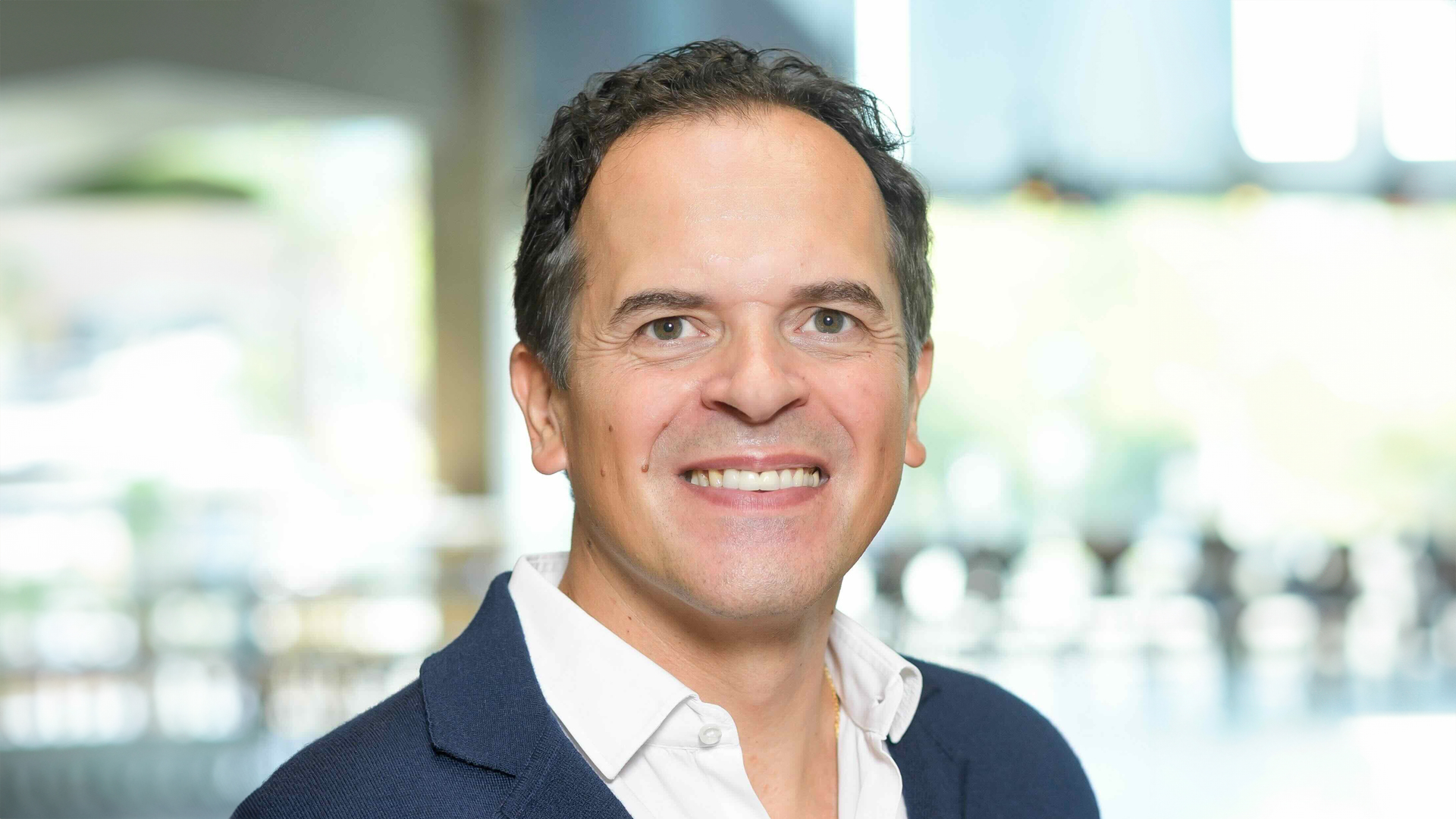
Filipe Pereira is a Professor of Molecular Medicine at Lund University in Sweden, where his research explores the intersection of cellular reprogramming and immunology. His laboratory develops reprogramming-based immunotherapies with the potential to transform the treatment of cancer and immune-mediated diseases. He also serves as Editor-in-Chief of Cellular Reprogramming and is a Fellow of the Swedish Wallenberg Program in Molecular Medicine.
Over the past two decades, he has built an internationally recognized research program on immune cellular reprogramming and hematopoietic specification. He earned his Ph.D. at Imperial College London, where he investigated mechanisms of reprogramming toward pluripotency using cell fusion and heterokaryon models. During postdoctoral training at the Icahn School of Medicine at Mount Sinai in New York, he was among the first to apply cellular reprogramming principles to hematopoiesis.
Since establishing independent research groups at the University of Coimbra in 2015 and at Lund University in 2017, his team has uncovered mechanisms governing hematopoietic reprogramming and definitive hematopoiesis specification. The group also pioneered reprogramming fibroblasts and cancer cells into dendritic cells, introducing a framework that merges cellular reprogramming with cancer immunotherapy.
Beyond academia, he is a co-founder of Asgard Therapeutics, a biotechnology company translating in vivo dendritic-cell reprogramming into next-generation cancer therapies.
For his scientific and innovation contributions, he has received five fellowships and thirty-four awards, including three ERC grants, a Swedish Research Council Consolidator Grant, the Novo Nordisk Foundation Distinguished Innovator Grant, and honors such as the Swedish Fernström Prize and the Imperial College Emerging Alumni Leader Award.
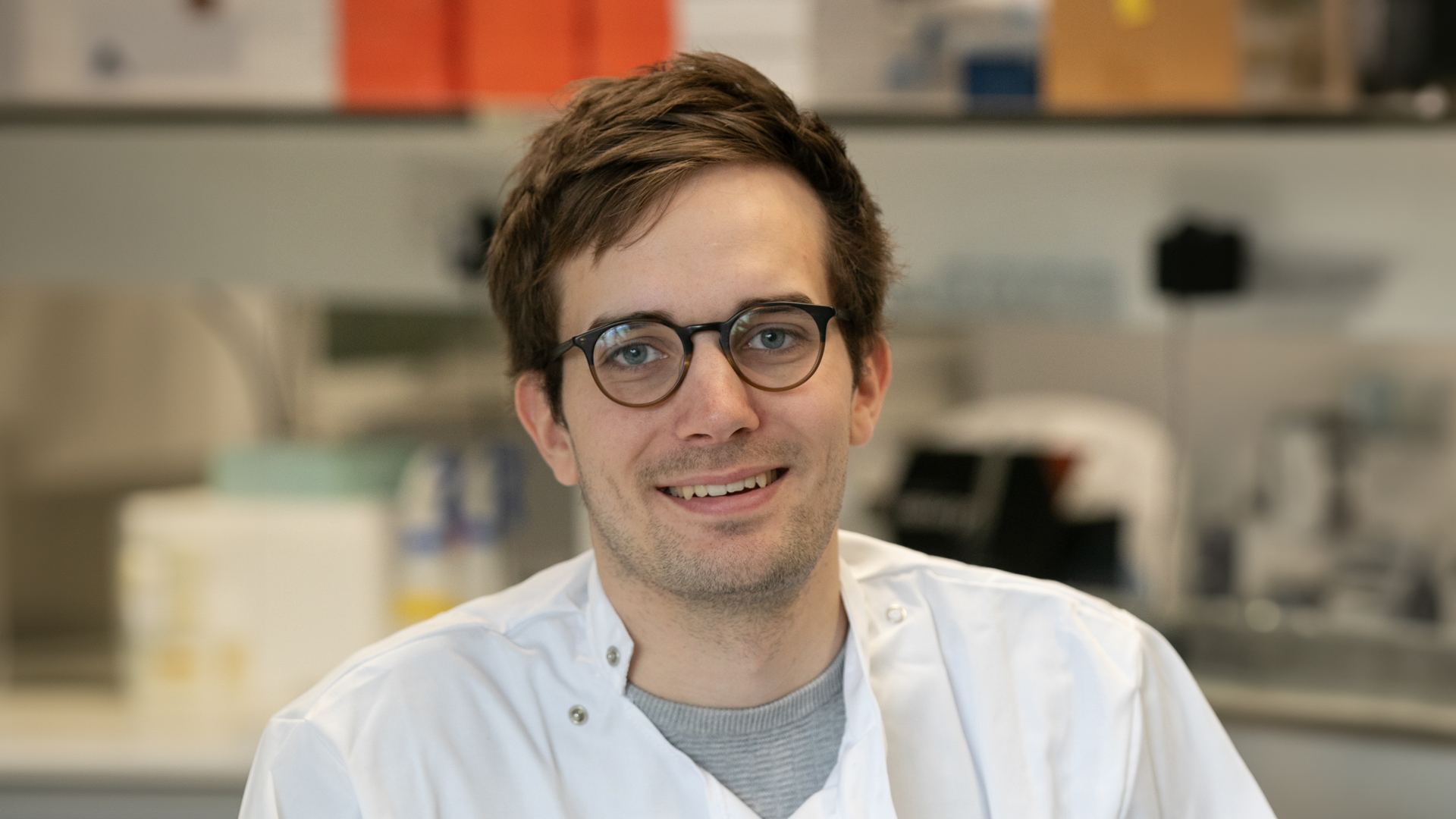
Dr Kristoffer Haurum Johansen is a Tenure Track Assistant Professor in Synthetic Immunology at the DTU. Building upon a joint PhD in Pathology from the University of Cambridge and the National Institutes of Health, his current research at DTU investigates ways to synthetically modulate T cell efficacy in adoptive cell therapies, and utilises high-throughput CRISPR/Cas9 screening and mammalian display platforms to investigate T Receptor signalling as well as de novo protein design for modulating the T cell functionality.
Di Yu is an Associate Professor of Immunotherapy at Uppsala University, Sweden, with expertise in CAR‑T cell therapy, advanced therapy medicinal products (ATMPs), and translational cancer immunotherapy. He leads and contributes to academic and industry‑linked projects spanning preclinical development, GMP manufacturing, and early clinical trials, with a strong focus on regulatory compliance and clinical translation.
Professor Michal J. Besser, PhD, is an immunologist and translational researcher specializing in cancer immunotherapy and cell therapy. She leads the Tumor Immunology and Immuno-Oncology program and directs a GMP facility for the development and production of point-of-care CAR-T cell therapies at the Davidoff Cancer Center, Rabin Medical Center, Israel. Her work focuses on bridging innovative laboratory research with clinical application, including the development of rapid, in-house CAR-T manufacturing platforms and novel strategies for solid tumors and autoimmune diseases. Prof. Besser collaborates extensively with international partners to advance next-generation cellular therapies toward clinical implementation.
Dr. Gill's laboratory develops engineered cellular therapies for cancer, with a particular focus on the hardest-to-treat hematologic malignancies. His group has pioneered several foundational approaches in the field, including CAR T-cell therapy for acute myeloid leukemia, the use of gene-edited hematopoietic stem cells to enable antigen-directed immunotherapy, CAR-macrophages for solid tumors, and epitope-edited CD45-directed pan-hematologic cell therapy. His work has appeared in journals including Nature, Nature Medicine, Nature Biotechnology, Cell, Blood, Science Translational Medicine, and Cancer Discovery, and he is named as an inventor on more than twenty patents spanning CAR constructs, gene-editing strategies, and engineered myeloid cell therapies. A sought-after international speaker and mentor to dozens of trainees, he also chairs and organizes major scientific meetings for ASH, ASCO, ASGCT, and ASTCT, and was awarded the 2025 Janet Rowley Award from the Jonas Center for Cellular Therapy at the University of Chicago.
Dr. Sonia Guedan is an expert in gene and cell therapy for the treatment of cancer. As a classically trained pharmacist, the major objective of her research is to develop novel therapies to address unmet medical needs. She conducted her postdoctoral training at the University of Pennsylvania, in the laboratory that developed the first FDA-approved CAR-T cell therapy. Since 2018, she is leading a research program at IDIBAPS (Barcelona, Spain) to generate new CAR-T cell therapies for the treatment of solid tumors and hematologic malignancies. She is a board member of the Spanish Society for Gene and Cell Therapy (SETGyC) and a member of the Immunotherapy and CAR-T cells scientific committee of the European Society for Gene and Cell Therapy (ESGCT).
ORCID
Waseem Qasim MBBS, PhD, MRCP, MRCPCH,
Professor of Cell and Gene Therapy
National Institute of Health Research Senior Investigator
UCL Great Ormond Street Institute of Child Health, London
Consultant In Paediatric Immunology, Great Ormond Street Hospital
Professor Waseem Qasim is leading developments in Cell and Gene Therapy at the UCL Great Ormond Street (GOS) Institute of Child Health in London. In 2026, he was named in the Time100 global healthcare pioneers list. He has advanced 'bench-to-bedside' translation of immunotherapies & harnessed genome editing strategies to reprogram immune cells to combat blood cancers. He led clinical trials at GOS that were the first to showcase the potential of 'ready-made' universal-donor T cells using TALEN gene editing & CRISPR/Cas9 technology, as well applications of lentiviral vectors. Most recently, his work on 'base editing' has delivered new therapies targeting refractory acute leukaemias, and similar techniques are now being developed to repair genes to treat inherited blood or immune disorders. These advancements are paving the way for a new generation of genetic medicines and ‘living’ cell therapies.